
Open vs. Enclosed Car Transport: Which Option Is Right for You?
When arranging vehicle shipping, one of the most important decisions is choosing between open and enclosed car transport.
Both options are widely used in the automotive transportation industry, but they serve different customer needs.
The right choice depends on your vehicle, budget, route, and desired level of protection.
What Is Open Car Transport?
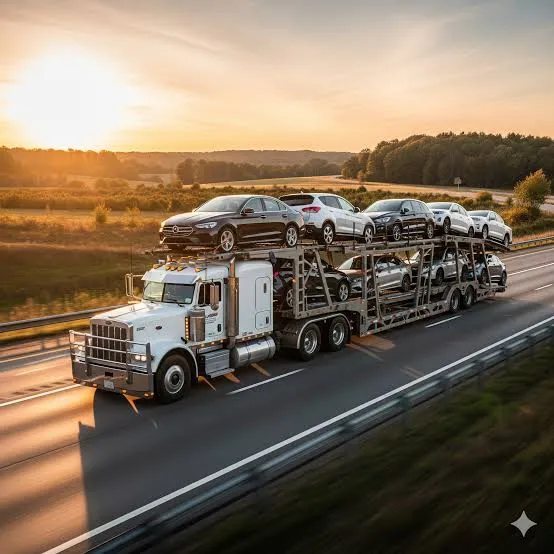
Open car transport involves shipping vehicles on an open-air carrier trailer.
These trailers can accommodate multiple vehicles, making open shipping a common and cost-effective transportation method.
Open carriers are frequently used for everyday passenger vehicles, including sedans, SUVs, and pickup trucks.
Because the trailer is not enclosed, vehicles are exposed to normal outdoor conditions during transit.
What Is Enclosed Car Transport?
Enclosed car transport involves shipping a vehicle inside a covered trailer.
The trailer provides a barrier against direct exposure to weather, dust, and road debris.
Enclosed transportation is frequently chosen for luxury cars, classic vehicles, collector automobiles, and specialty vehicles.
Some enclosed carriers also provide specialized loading equipment for vehicles with unique handling requirements.
Comparing Transportation Costs
Open auto transport generally costs less than enclosed shipping.
Open trailers can carry multiple vehicles, which helps distribute transportation expenses.
Enclosed trailers often carry fewer vehicles and may require specialized equipment.
As a result, customers should expect a higher quote for enclosed transportation on many routes.
Actual pricing depends on the shipment details and carrier availability.
Comparing Vehicle Protection
The most noticeable difference is exposure to outside conditions.
Open trailers leave vehicles exposed to rain, dust, and possible road debris.
Enclosed trailers provide additional shielding during transportation.
However, both transportation methods require proper vehicle loading, securement, and handling.
Neither method completely eliminates the possibility of damage.
Which Vehicles Are Best for Open Transport?
Open transportation is generally suitable for:
- Standard sedans
- Everyday SUVs
- Pickup trucks
- Family vehicles
- Common passenger cars
- Vehicles being shipped primarily for convenience
For customers focused on affordability, open transportation is often a practical starting point.
Which Vehicles Are Best for Enclosed Transport?
Enclosed transportation may be preferable for:
- Luxury automobiles
- Exotic sports cars
- Classic and antique vehicles
- Collector cars
- Show vehicles
- Rare automobiles
- Vehicles with delicate finishes or special loading requirements
The additional protection can be valuable when shipping a vehicle with unique characteristics.
Is Enclosed Transport Always Necessary?
Not every vehicle requires enclosed transportation.
Many everyday vehicles are shipped successfully using open carriers.
The decision should reflect the vehicle’s condition, value, and the owner’s preferences.
For example, an everyday commuter vehicle may be well suited to open shipping, while a rare restored classic may justify enclosed transportation.
How to Choose the Right Shipping Service
Start by considering your budget and vehicle type.
Next, evaluate how much protection you want during transit.
Discuss any modifications, low ground clearance, or unusual dimensions with your transportation provider.
Finally, review carrier availability, estimated scheduling, and insurance information before confirming your booking.
Get Help Choosing Your Auto Transport Option
Vehigo Car Transport offers open and enclosed vehicle shipping arrangements for customers with different transportation needs.
Whether you’re shipping a standard family car or a specialty automobile, our team can help you explore suitable options.