
How Much Does It Cost to Ship a Car in the USA?
Shipping a vehicle across the United States can be a convenient alternative to driving it yourself. However, one of the first questions customers ask is: How much does it cost to ship a car?
The answer depends on several factors, including the distance, vehicle type, transportation method, and shipping schedule.
Understanding these factors can help you compare quotes and plan your vehicle shipment more effectively.
1. Distance and Transportation Route
Distance is one of the most important factors affecting car shipping prices.
Longer routes generally cost more overall because they require additional fuel, driver time, and transportation resources.
However, the price per mile may decrease on longer shipments.
The popularity of the route also matters. Transportation between major metropolitan areas may offer more carrier options than shipping between remote locations.
2. Open vs. Enclosed Auto Transport
The type of carrier you choose affects your shipping quote.
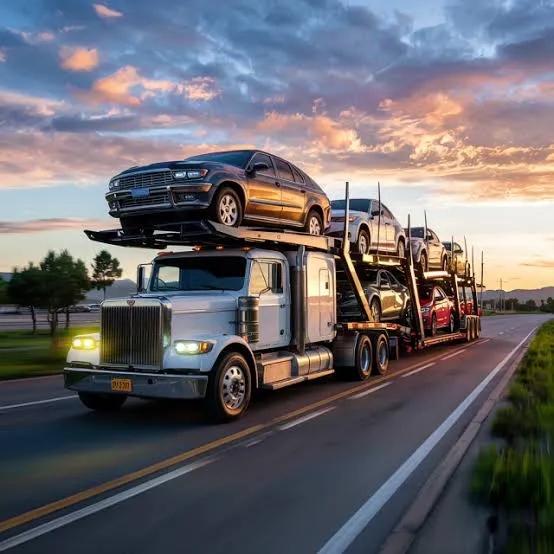
Open car transport is generally the more affordable option. Vehicles are transported on an open-air trailer, often alongside several other automobiles.
Enclosed auto transport uses a covered trailer that provides additional protection from weather exposure and road debris.
Because enclosed carriers typically transport fewer vehicles and may use specialized equipment, enclosed shipping generally costs more.
3. Vehicle Size and Weight
Larger and heavier vehicles can require more trailer capacity.
For example, transporting a full-size pickup truck may cost more than shipping a compact sedan along the same route.
Modified vehicles, oversized tires, unusual dimensions, and limited ground clearance may also affect transportation requirements.
Always provide accurate vehicle details when requesting a quote.
4. Seasonal Demand
Car shipping demand changes throughout the year.
Some routes become busier during seasonal relocations, holidays, and periods when customers move between northern states and Florida.
Higher demand can affect carrier availability and transportation prices.
Booking with reasonable scheduling flexibility may help you find more suitable options.
5. Pickup and Delivery Locations
Shipping between accessible locations near major transportation routes may be easier to arrange than transportation involving remote or restricted areas.
Door-to-door auto transport offers convenience, but large carrier trucks may need alternative meeting points when residential streets are inaccessible.
Accurate pickup and delivery information helps avoid unexpected complications.
6. Vehicle Operating Condition
A vehicle that starts, steers, rolls, and brakes normally is generally easier to load and unload.
Non-running vehicles may require specialized equipment or additional handling.
If your car is not operational, disclose that information before booking.
7. How to Get an Accurate Car Shipping Quote
To receive a useful shipping estimate, prepare the following information:
- Vehicle year, make, and model
- Pickup city and ZIP code
- Delivery city and ZIP code
- Preferred shipping dates
- Vehicle operating condition
- Open or enclosed transport preference
- Any special vehicle modifications
Review the quote carefully and ask which services and charges are included.
8. Tips for Managing Car Shipping Costs
Choose open transportation when appropriate for your vehicle.
Consider flexible pickup dates if your schedule allows.
Provide accurate information about the vehicle and both locations.
Compare transportation terms, not just the quoted price.
Ask about deposits, cancellation policies, and any circumstances that could change the final price.
Get a Personalized Car Shipping Quote
Car shipping costs vary from one shipment to another, so a personalized estimate is the best starting point.
Vehigo Car Transport helps customers explore vehicle transportation options based on their routes and requirements.